
An old furnace may continue producing heat long after it starts losing efficiency. However, waiting for a complete breakdown can leave your family without heat during a cold Waterford, MI, winter.
The best time to replace old furnace equipment is usually before it fails. Planning ahead gives you more time to compare options, arrange installation and avoid making a rushed decision during an emergency.
At Kotz Heating, Cooling & Plumbing, we help homeowners understand their heating systems and choose the right time to upgrade.
How Long Does a Furnace Usually Last?
Many furnaces last between 15 and 20 years with proper maintenance. Some may operate longer, but age often brings higher repair costs, uneven heating and lower efficiency.
The condition of your furnace depends on several factors:
- How often the system receives professional maintenance
- How heavily it runs during Michigan winters
- Whether repairs were completed promptly
- How well the furnace was originally installed
Age alone does not always mean replacement is necessary. Still, a furnace nearing 15 years old deserves closer attention.
What Is the Best Time to Replace an Old Furnace?
For many homeowners, late summer or early fall is the best time to replace an old furnace. The weather is usually mild, so you are less likely to need steady heat during the installation.
Replacing your furnace before winter also gives you time to address unexpected issues. Our team can evaluate your home, recommend properly sized equipment and complete the work before temperatures drop.
Spring can also be a good time for replacement. Once the heating season ends, you can upgrade the system without worrying about an immediate need for heat.
Why You Should Avoid Waiting for a Breakdown
A furnace failure rarely happens at a convenient time. Older systems often stop working during the coldest days because they are operating under their heaviest workload.
Waiting for a breakdown can create several problems:
- Your home may be without heat during freezing weather
- Emergency repair or replacement options may be limited
- You may have less time to compare equipment
- Installation schedules may be busier during peak season
- A rushed decision may not provide the best long-term value
Planning a replacement allows you to make a careful, informed choice.
Signs Your Old Furnace May Need Replacement
Your furnace may give you warning signs before it stops working. These changes may develop slowly, so it helps to know what to watch for.
Your Furnace Is More Than 15 Years Old
A furnace that is 15 years old or older is entering the later part of its expected service life. It may still work, but major repairs can become less practical.
At this stage, we often recommend comparing the cost of repair with the value of replacement. A newer system may offer better efficiency, stronger performance and more reliable heat.
Repair Costs Are Increasing
An occasional repair does not always mean you need a new furnace. However, repeated service calls can become expensive.
If your furnace needs major parts or several repairs within a short period, replacement may offer better long-term value. Our team can explain the condition of the system and help you compare your options.
Your Energy Bills Keep Rising
Heating costs can change because of weather and utility rates. Still, a steady rise in energy use may point to an inefficient old furnace.
As parts wear down, the system may run longer to reach the thermostat setting. This uses more energy and places additional strain on the equipment.
A modern, energy-efficient furnace may reduce wasted energy while improving comfort.
Some Rooms Feel Colder Than Others
Uneven heating may mean your furnace is struggling to distribute enough warm air. You may notice cold bedrooms, chilly floors or large temperature differences between rooms.
Ductwork, insulation and airflow problems can also cause uneven temperatures. Therefore, we inspect the full heating system before recommending replacement.
The Furnace Runs Almost Constantly
A furnace should cycle on and off as needed. If it runs for long periods without reaching the desired temperature, it may no longer have enough capacity or efficiency.
Constant operation can increase energy use and wear down key parts. It can also signal problems with the thermostat, airflow or duct system.
You Hear New or Unusual Noises
Older furnaces may become louder as components loosen or wear out. Banging, rattling, grinding, humming or squealing sounds should not be ignored.
Some noises can be repaired. Others may indicate motor, blower or heat exchanger problems that make replacement a better choice.
Should You Repair or Replace an Old Furnace?
The right decision depends on the age, condition and repair history of your equipment. A small repair may make sense for a furnace that is still relatively young and otherwise dependable.
Replacement may be the better choice when:
- The furnace is near or beyond its expected lifespan
- Repairs are becoming frequent or expensive
- The system has a serious safety issue
- Heating bills continue to rise
- Your home is no longer comfortable
- Replacement parts are difficult to find
We provide clear recommendations based on the condition of your system. Our goal is to help you choose a solution that fits your home and budget.
Benefits of Replacing Your Furnace Before Winter
Replacing an old furnace before cold weather arrives can make the process easier and less stressful. It can also improve your home before the system faces another demanding season.
A new furnace may provide:
- More consistent temperatures throughout your home
- Better energy efficiency
- Quieter operation
- Improved indoor comfort
- Fewer unexpected repair concerns
- Greater confidence during severe winter weather
New equipment can also work more effectively with modern thermostats and indoor comfort controls.
Choose the Right Furnace for Your Waterford Home
A furnace should be properly sized for your home. A system that is too small may run constantly, while an oversized furnace may cycle too often.
Our team considers your home’s size, layout, insulation, windows and heating needs. We also discuss efficiency ratings, available features and your budget.
Choosing the right equipment is just as important as choosing the right time to replace it. Professional installation helps the system perform safely and efficiently from the start.
Start Planning Before Your Furnace Fails
You do not have to replace a working furnace simply because it is old. However, planning ahead can help you avoid an emergency.
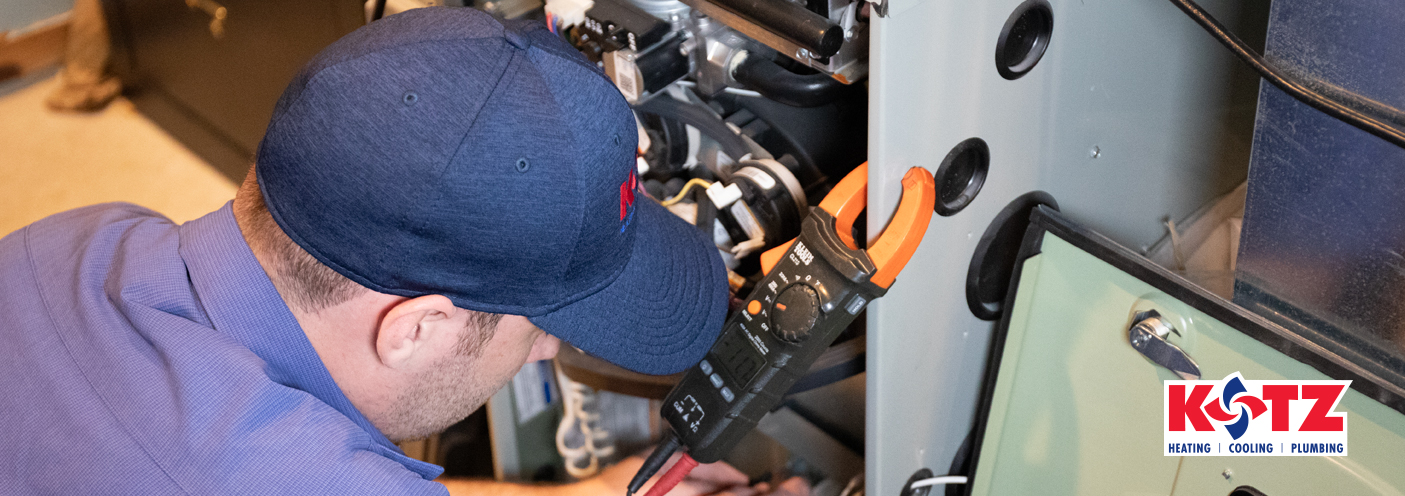
Consider scheduling an inspection before the heating season when your furnace is more than 15 years old or showing signs of decline. A professional evaluation can reveal whether the system is ready for another winter.
Even when immediate replacement is not necessary, you will have a better idea of what to expect and how to prepare.
Trusted Furnace Service in Waterford, MI
Kotz Heating, Cooling & Plumbing has served local families since 1929. Our long history in the community reflects our commitment to dependable service, quality workmanship and honest recommendations.
We understand the heating needs of Waterford homeowners and the demands Michigan winters place on furnaces. Our team takes the time to inspect your system, explain your options and help you make a confident decision.
Schedule a Furnace Evaluation Today
The best time to replace old furnace equipment is before comfort, safety or reliability becomes a serious concern. Planning your replacement early can help you avoid a sudden breakdown and enter winter with confidence.
Contact Kotz Heating, Cooling & Plumbing to schedule furnace service in Waterford, MI. Our experienced team will evaluate your old furnace and help you determine whether repair or replacement is the right next step.